
Transform Your Smile: 5 Benefits of a Smile Makeover
How a smile makeover combines cosmetic treatments to improve appearance, confidence and oral health, and what to expect at each stage.
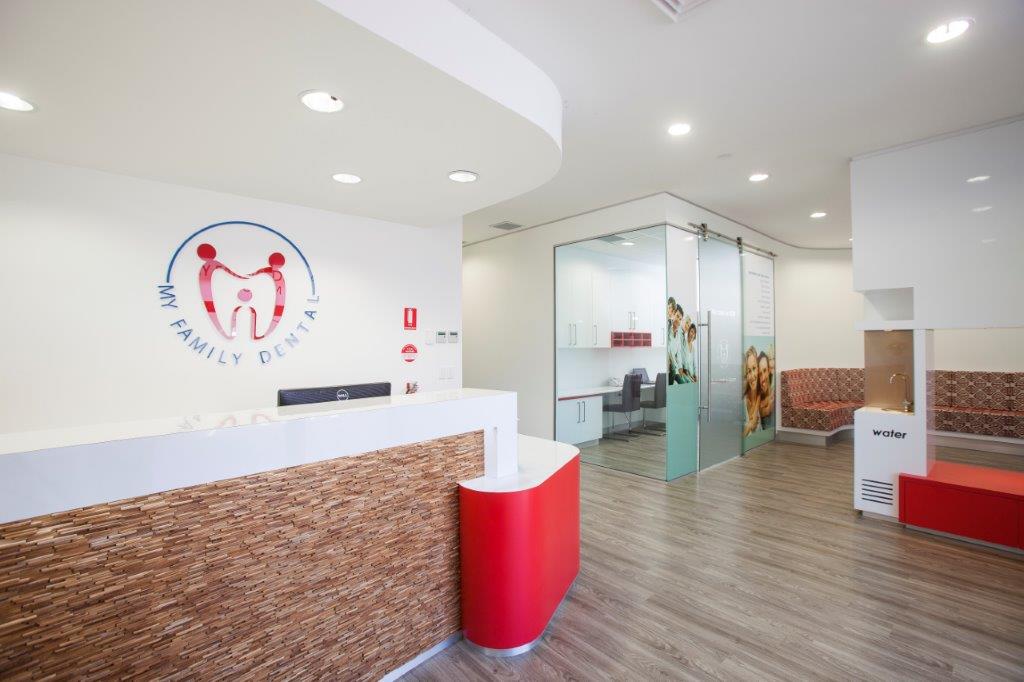
Walk through the Willows Shopping Centre in Kirwan on a Saturday morning and you’ll see the full spread of who we treat: teenagers, young defence families from Bohle Plains, tradies, retirees. A lot of them ask a version of the same question at their check-up: “Is there anything that can be done about my smile?” Sometimes it’s one chipped front tooth. Sometimes it’s years of coffee, cane-country sun and a bit of wear catching up all at once. That conversation is usually where a smile makeover comes in.
What Is a Smile Makeover?
A smile makeover isn’t a single procedure: it’s a plan built from whichever cosmetic and general treatments actually suit your teeth. That might mean teeth whitening paired with veneers, orthodontic alignment alongside a chipped tooth repair, or a crown to rebuild a tooth that’s lost shape over time. The point is that your dentist looks at your whole smile and works out which combination gets you the result you’re after, rather than treating one tooth in isolation.
What Can It Address?
Most requests we hear across our Townsville, Bowen and Emerald clinics fall into a handful of categories: discolouration that whitening alone won’t shift, gaps between teeth, mild crowding or crookedness, chips and cracks, teeth that are shorter or more worn than they used to be, and gaps left by missing teeth. None of these are unusual: they’re just the normal result of genetics, time, or the odd bit of bad luck. A proper assessment will tell you which of these apply to you and what’s realistic to address.
Five Benefits Worth Knowing
Straighter, brighter teeth. Whitening lifts staining, while veneers, crowns or orthodontic treatment can even out shape, colour and alignment, often working together rather than one treatment doing all the work.
A lift in confidence. People who’ve had a smile they were self-conscious about corrected often say they feel more comfortable smiling in photos, at work, and in everyday conversation. That’s a genuinely common experience, even if it looks different for everyone.
Easier, more comfortable chewing. Chipped, worn or missing teeth can make eating certain foods awkward. Restoring shape and function can make meals more comfortable again, which matters for older residents in Bowen and Ingham managing a full diet as much as it does for anyone else.
Better oral health overall. Misaligned or overlapping teeth are harder to clean properly, which raises the risk of plaque build-up and decay. Straightening and restoring teeth can make your daily brushing and flossing routine more effective.
Clearer speech. Gaps, missing teeth or significant misalignment can affect how certain sounds form. Restoring the shape and spacing of your teeth sometimes improves clarity as a side effect of the dental work, not the goal of it.
Who Tends to Ask About This
We see the question come up differently depending on the town. In Bohle Plains and around Lavarack Barracks, it’s often younger defence families wanting a straightforward fix before a posting or a big event. In Emerald, it’s mining and FIFO families with a tight window between swings who want an efficient plan mapped out in one visit. In Bowen, it’s frequently long-time residents finally addressing wear that’s built up over decades of Bowen sun and hard work. There’s no single “right” age or reason: the plan is built around what you want addressed and what your teeth actually need.
Planning Yours
Because a smile makeover is built from more than one treatment, no two plans look the same and neither does the timeline or the investment. Your dentist will walk you through the options, explain what each step involves, and give you a written quote before anything is booked in, so you know exactly what you’re agreeing to before treatment starts. Payment plan options are also available to discuss at your consultation.
Sequencing Matters More Than the Individual Treatments
The most common reason a makeover disappoints is not a poorly made veneer. It is work done in the wrong order.
Health comes first. Active decay and gum disease are treated before anything cosmetic is placed, because bonding a beautiful veneer onto an unstable foundation buys you a short-lived result and a bigger bill. If your gums bleed when you brush, that gets sorted first.
Position comes second. If teeth are crowded or rotated, moving them with clear aligners often means far less tooth needs to be shaped away later. Straightening first can turn a plan that required six veneers into one that needs two, or none.
Shade comes third. Whitening only works on natural enamel. Crowns, veneers and composite bonding do not change colour afterwards. So teeth are whitened before any tooth-coloured work is matched, otherwise the new restorations lock in the old shade and you cannot lighten them later without replacing them.
Shape and structure come last. Veneers, bonding and crowns are the finishing layer, placed onto teeth that are healthy, correctly positioned and the right colour.
Skipping a step rarely saves money. It usually just moves the cost further down the line.
Start With a Conversation
If there’s something about your smile you’ve been meaning to ask about, book a consultation at your nearest clinic: Kirwan or Bohle Plains in Townsville, Bowen, Emerald, Ingham or Innisfail. You can see all six locations on our our clinics page, meet the team on our dentists page, or reach out directly via contact us to get started.
This article is general information only and is not a substitute for personalised advice from your dentist.
Frequently asked questions
It is not one procedure but a plan that combines several. Depending on what you want changed, it may include whitening, composite bonding, porcelain veneers, crowns, replacing missing teeth, or straightening with clear aligners first. The sequence matters as much as the treatments, since teeth are generally whitened before any tooth-coloured work is matched to the new shade.
Anywhere from a single appointment to well over a year. Bonding and whitening can be done quickly. If your plan starts with aligners to correct the position of the teeth before anything is placed on them, that stage alone commonly runs several months. Your dentist maps out the order and the timing at the planning stage so you know before committing.
No. A makeover plan is a menu in a sensible order, not an all-or-nothing package. Plenty of people do the health-related work first, live with it, and decide on the cosmetic stages later. Anything genuinely optional should be identified as optional when the plan is explained to you.
It depends entirely on which treatments are involved. Whitening and bonding remove no tooth structure. Porcelain veneers and crowns require some enamel to be shaped away, which is permanent, and that trade-off should be spelled out before you agree. If preserving tooth structure matters to you, say so, because it can genuinely change which options are recommended.
Usually only in part, and only where a treatment has a functional purpose as well as a cosmetic one. Crowns and some restorative work often attract a rebate under major dental extras; purely cosmetic whitening and veneers frequently do not. We claim whatever your policy allows on the spot through HICAPS, and the written quote separates what is likely to be claimable.
Have a question about your own situation?
Book a visit with your local My Family Dental team across North Queensland. We’ll assess your teeth, explain your options, and answer your questions.