
How to Whiten Your Teeth at Home
Practical, dentist-informed tips for whitening your teeth at home in North Queensland, from everyday habits to when it's time to see a dentist.
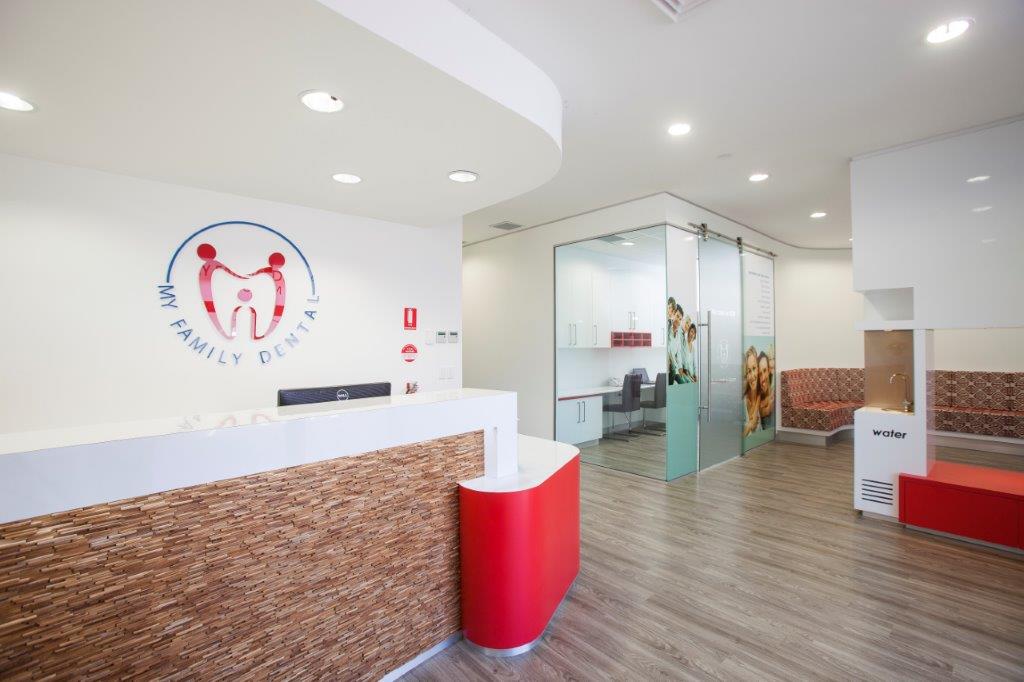
If you’ve ever caught your reflection under bright fluorescent lights at Willows Shopping Centre in Kirwan and wondered why your smile looks duller than it used to, you’re not alone. Yellowing teeth are one of the most common things people ask us about, whether it’s a Bowen local prepping for a wedding season photo or a parent in Bohle Plains just wanting a brighter smile for the school run. Before you reach for a supermarket whitening kit, it helps to understand what’s actually causing the discolouration and what genuinely helps.
What Causes Teeth to Yellow in the First Place?
Tooth colour changes for a few different reasons, and knowing which one applies to you makes a real difference to what will help.
- Surface staining from coffee, tea, red wine, and dark cordials sits on the enamel and builds up over time.
- Plaque buildup is one of the biggest culprits. When plaque isn’t removed thoroughly with brushing and flossing, it dulls the natural shine of your enamel and can make teeth look yellow even when there’s no deep staining.
- Enamel wear exposes the dentin underneath, which is naturally more yellow than enamel. This tends to show up more with age, or from teeth grinding, which we see fairly often, especially in patients from busier households around Bohle Plains and Kalynda Chase juggling work and defence family life.
Everyday Habits That Genuinely Help
The good news is that a lot of what keeps teeth looking brighter comes down to simple, consistent habits rather than anything expensive.
Brush and floss properly, not just often. Two minutes twice a day with a fluoride toothpaste, plus daily flossing, removes the plaque that dulls your smile before it has a chance to harden into tartar. This matters even more in towns like Ingham, where the town water supply hasn’t been fluoridated since council stopped the practice in 2017: without that background protection, what you do at the sink each morning and night carries extra weight.
Rinse after dark drinks and food. A quick water rinse after your coffee or a glass of red doesn’t undo staining, but it stops pigments sitting on your enamel for hours at a time.
Eat crunchy fruit and vegetables. Apples, celery, and carrots have a mild scrubbing action as you chew, which can help clear surface debris between proper brushes. They’re not a substitute for brushing, but they’re a handy habit alongside it.
Watch the frequency of sugary and acidic drinks. Frequent sipping on soft drink or fruit juice, common in the heat of an Innisfail or Emerald summer, keeps your mouth in an acidic state for longer, which softens enamel and makes it easier for stains to take hold.
Cut back on tobacco. Smoking and vaping are two of the fastest ways to stain teeth, and they bring other oral health risks besides.
What About At-Home Whitening Products?
Whitening toothpastes, strips, and pens are widely available and can lighten surface stains to some degree. Products containing a small amount of hydrogen peroxide, mixed carefully, have shown some benefit in reducing surface staining and bacteria in the mouth. That said, results from over-the-counter products are generally modest and vary a lot from person to person, and using strong concentrations without guidance can cause gum irritation or tooth sensitivity.
A word of caution on baking soda: it’s mildly abrasive and some people use it occasionally to buff away surface stains, but overusing it can wear down enamel over time, which makes teeth more prone to sensitivity and, ironically, more yellow in the long run as the dentin underneath shows through.
When Home Care Isn’t Enough
If you’ve kept up good habits and you’re still not happy with your shade, or if the discolouration is coming from inside the tooth rather than the surface, home remedies won’t get you there. This is where teeth whitening through a dentist comes in. A professional assessment checks for decay, gum issues, or worn enamel first, because whitening over an underlying problem can cause discomfort. From there, your dentist can talk you through options and give you a written quote so you know exactly what’s involved before you commit.
This is particularly worth doing before a big event. We see a lot of Bowen families wanting a brighter smile ahead of the Whitsunday wedding season, and Townsville patients preparing for graduations or new job photos, where a supervised approach gives a more predictable, comfortable result than trial and error at home.
Keeping Your Smile Bright for the Long Term
Whitening, whether at home or at a clinic, isn’t a one-off fix. Staining habits creep back in, so the same daily routine that helps you get there is what keeps you there: thorough brushing, regular flossing, rinsing after dark drinks, and a check-up so your dentist can catch plaque buildup and enamel wear before they affect your colour and your comfort.
If you’d like an honest opinion on whether your teeth would benefit from a professional whitening treatment, or you just want a check-up to rule out anything more serious, our team is here to help. My Family Dental has clinics across the region, including Ingham, Innisfail, Bohle Plains, Bowen, and Emerald. Find your nearest clinic on our locations page or get in touch to book an appointment.
This article is general information only and is not a substitute for personalised advice from your dentist.
Frequently asked questions
Some do, modestly. Products containing peroxide can lift stain, though at lower concentrations than supervised treatment, so results are more gradual. Products relying on abrasion, including most charcoal preparations, remove surface stain at best and can wear enamel with long-term use, which eventually makes teeth look more yellow.
Yes, in two respects that matter. The gel is a controlled concentration, and the tray is custom-made to your teeth so the gel stays on the enamel and off the gums. Ill-fitting generic trays and strips are what cause the gum irritation and white patches people report from unregulated products.
Peroxide passes through the enamel to lift stain from within the tooth, and that temporarily increases nerve sensitivity. It usually settles within a day or two. Using a desensitising toothpaste before and during treatment helps, and the concentration or wear time can be adjusted if you are prone to it.
Worth doing. Whitening over untreated decay, a cracked tooth, exposed roots or active gum disease is genuinely unpleasant and sometimes harmful. An examination also establishes whether your discolouration will respond to peroxide at all, since internal staining from trauma or medication often will not.
Have a question about your own situation?
Book a visit with your local My Family Dental team across North Queensland. We’ll assess your teeth, explain your options, and answer your questions.