
From Fear to Confidence: How to Overcome Your Fear of the Dentist
A practical guide to understanding dental fear, talking to your dentist about it, and building the confidence to keep up regular check-ups.
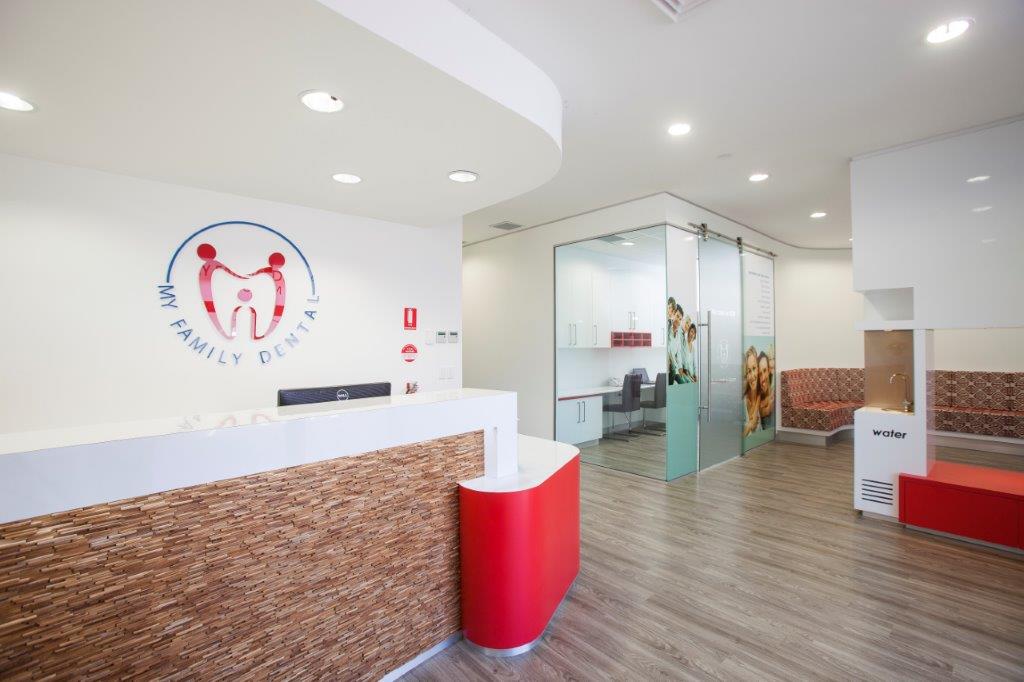
Dental fear shows up in every waiting room, from a Kirwan mum bringing the kids in after school to a Bowen local who has put off a check-up for years because of one bad experience decades ago. It is one of the most common reasons people avoid the dentist altogether, and putting things off usually means small issues turn into bigger, more involved ones down the track. The good news is that fear of the dentist is manageable, and understanding where it comes from is the first step toward feeling in control again.
Understanding where the fear comes from
For most people, dental anxiety is not really about teeth. It is about a loss of control, sitting back in a chair with someone working close to your face, hearing tools you cannot see, and not always knowing what happens next. For others it traces back to a specific memory: a painful procedure as a child, a rushed appointment, or simply growing up in a household where dental visits were something to dread.
It is worth separating two things that often get lumped together. Dental anxiety is the uneasy, keyed-up feeling most people recognise before an appointment. Dental phobia is more severe, where the thought of attending brings on genuine physical symptoms and the appointment gets cancelled or never booked at all. Both are workable, but they call for different amounts of time and preparation, which is why it helps to be honest about which one you are dealing with when you call.
If you are in Ingham, there is another layer worth knowing about. The town’s water supply is not fluoridated, which means locals can carry a higher decay risk through no fault of their own, and by the time some adults finally come in, more work is needed than they expected. Understanding this cause and effect, rather than assuming you have simply “left it too long” and deserve a lecture, can take some of the shame out of walking through the door.
The avoidance cycle, and why it is worth breaking
Dental fear has a way of feeding itself. Avoiding an appointment brings immediate relief, which makes avoidance feel like it worked. Meanwhile the underlying problem carries on quietly. Months later there is a twinge, then a sensitivity to cold, then a night of genuine pain, and the visit that finally happens is an emergency rather than a check-up. That emergency is usually more uncomfortable and more expensive than the routine visit would have been, which confirms the original fear and makes the next appointment harder to face.
The way out is not willpower. It is changing the type of appointment you book. A check-up on a tooth that does not hurt is a fundamentally different experience from an emergency on a tooth that does, and stringing together two or three uneventful visits is what genuinely resets your expectations.
Naming your specific trigger
Vague dread is harder to manage than a specific, named fear. Before your next appointment, try to pin down what actually unsettles you: the sound of the drill, the numbing injection, not knowing how long a procedure will take, or feeling like you cannot speak once your mouth is open. Once you can name it, you can plan around it and mention it when you book.
Some triggers people raise with us, and what can be done about each:
- The sound. Headphones with your own music or a podcast cover most of it, and the noise loses much of its power once it is not the only thing you can hear.
- The needle. Topical gel on the gum first, then slow delivery of the anaesthetic, changes the experience considerably.
- Gagging. Say so early. Positioning, smaller instruments and breathing through your nose all help, and x-rays can often be taken in a way that avoids the trigger entirely.
- Not knowing how long it will take. Ask for a time estimate before you sit down, and ask for it to be broken into stages so you know what has been finished.
- Cost uncertainty. A written quote before treatment starts removes the fear of an unknown bill, which for a lot of people is the real anxiety underneath.
Building a relationship with your dentist
Trust is built over repeated, predictable visits, not a single perfect one. Seeing the same dentist for your regular check-ups means they get to know your history, your triggers, and how you like things explained, so appointments become less of an unknown each time. If you are newer to the area, whether you have just moved into Bohle Plains as one of the growing number of young families and defence personnel settling in Kalynda Chase, or you are a mining family who has recently arrived in Emerald, finding a dentist you can stick with is worth prioritising over finding the closest one.
This matters more in a regional setting than people expect. In Ingham and Bowen, where the practice is one of very few in town, continuity is genuinely achievable in a way it often is not in a capital city. You can see our dentists before you book if it helps to put a face to the appointment.
Telling your dentist you are anxious
This is the single most useful thing you can do, and it costs nothing. Dentists and their teams see nervous patients every day and are used to adjusting their approach. When you let us know before treatment starts, we can talk you through each step, agree on a hand signal so you can pause at any time, and take things at a pace that suits you. Communication works both ways, too. If something feels wrong, uncomfortable, or too fast, say so in the moment.
Mention it twice: once when you book, so enough time is set aside, and again when you sit down, so the person treating you knows without having to read it off a file. Neither conversation needs to be long. “I get nervous at the dentist, and the drill sound is the worst part for me” is enough to change how the whole appointment runs.
Practical techniques for the day
A few simple habits can make a real difference on the day of your appointment.
- Book earlier in the day. Anxiety tends to build the longer you have to think about something, so a morning slot can mean less time to dwell on it.
- Use slow breathing. Breathing in for four counts, holding for four, and breathing out for four gives your body something steady to focus on when you feel your heart rate climbing.
- Bring a distraction. Headphones with music or a podcast, kept low enough to still hear your name called, can help block out the sounds of the surgery.
- Bring someone with you. A partner or friend in the waiting room, or in the surgery if you would prefer, is a legitimate request and not a fuss.
- Go easy on the coffee beforehand. Caffeine and adrenaline produce much the same physical sensations, and it is hard to tell your body to settle when it is already primed.
- Ask about your options. If you are worried about discomfort, ask about numbing options before an injection, and if cost is part of what is holding you back, your dentist can give you a written quote so there are no surprises.
Starting small: the first appointment back
If it has been a long time, you do not have to commit to a full treatment plan on day one. A reasonable first step is an examination and a conversation, nothing more. You sit up, you talk, you find out where things actually stand, and you leave with a written plan rather than a completed procedure.
Knowing the facts is often less frightening than imagining them. A lot of people arrive convinced they will need every tooth replaced and leave with a plan for two fillings and a clean. Even when the news is more significant, having it in writing, in an order, with costs attached, tends to be more manageable than the version that has been running in your head.
Keeping up regular visits
Once you have had a positive experience, or even just a manageable one, use it as momentum. Regular check-ups, generally every six months, mean small problems are caught early and rarely need anything more than straightforward treatment. It is years of avoidance, not the individual appointment, that tends to lead to more complex dentistry later.
Book the next visit before you leave the building. The appointment you schedule while you are still feeling fine about the last one is far more likely to be kept than the one you plan to organise later.
Helping the next generation avoid the same fear
If your own anxiety traces back to childhood, you are in a good position to help your kids avoid the same path. Bringing children in for check-ups early and often, before anything is wrong, helps them see the dentist as a normal part of life rather than something to brace for. This matters across all our communities, from the growing young families around Bohle Plains and Kalynda Chase to established households in Kirwan, where getting the routine right early on tends to carry through into calmer adult visits.
One thing worth watching is the language used at home. Words meant to reassure, like promising it will not hurt, introduce the idea of pain to a child who had not considered it. Describing the visit plainly, as the dentist counting and checking teeth, works better. It also helps if children see the adults around them attending without drama, which is a reasonable argument for booking your own check-up alongside theirs.
You do not have to face it alone
Fear of the dentist is common, understandable, and very manageable once you have the right support around you. Whether you are based in Kirwan, Bohle Plains, Ingham, Innisfail, Bowen or Emerald, our team is used to working with nervous patients and will take the time to explain, listen, and go at your pace. Find your nearest clinic on our clinics page, learn more about our dentists, or reach out through contact us to book a check-up and mention that you would like some extra time and reassurance on the day.
This article is general information only and is not a substitute for personalised advice from your dentist.
Frequently asked questions
No. Long gaps are extremely common, and the reasons behind them are usually practical: cost, work rosters, a bad experience, or simply life getting in the way. Our job is to work out what your teeth need now, not to review the years behind you. If a lecture is what you are bracing for, say so when you book and we will make a point of skipping it.
Tell us before we start. A topical numbing gel can be applied to the gum first so the injection itself is far less noticeable, and the anaesthetic can be delivered slowly, which is what makes most of the difference. Some people also prefer not to see the syringe at all, which is easily arranged. Needle fear is one of the most common triggers we hear about and it is very workable.
Yes. Agree on a hand signal with your dentist before anything starts, usually raising your left hand, and treatment pauses as soon as you use it. Knowing you can stop at any point is often the thing that makes the appointment manageable, even for people who never end up using the signal.
Talk to your dentist about the options available at your clinic. For many anxious patients, the practical measures make the biggest difference: a longer appointment so nothing feels rushed, a morning slot, a clear explanation before each step, breaks on request, and headphones. Your dentist will discuss what is appropriate for your situation and health history.
Book a check-up and examination only, and say on the phone that you are anxious and want to start with a look rather than treatment. That first visit is about information: an examination, usually x-rays, and a written plan you can take away and think about. Nothing is done to your teeth that day unless you ask for it.
Have a question about your own situation?
Book a visit with your local My Family Dental team across North Queensland. We’ll assess your teeth, explain your options, and answer your questions.