
Eating After a Tooth Extraction: When and What to Eat
A practical guide to eating safely after a tooth extraction, covering timing, foods to avoid, and how recovery differs for simple and surgical removals.
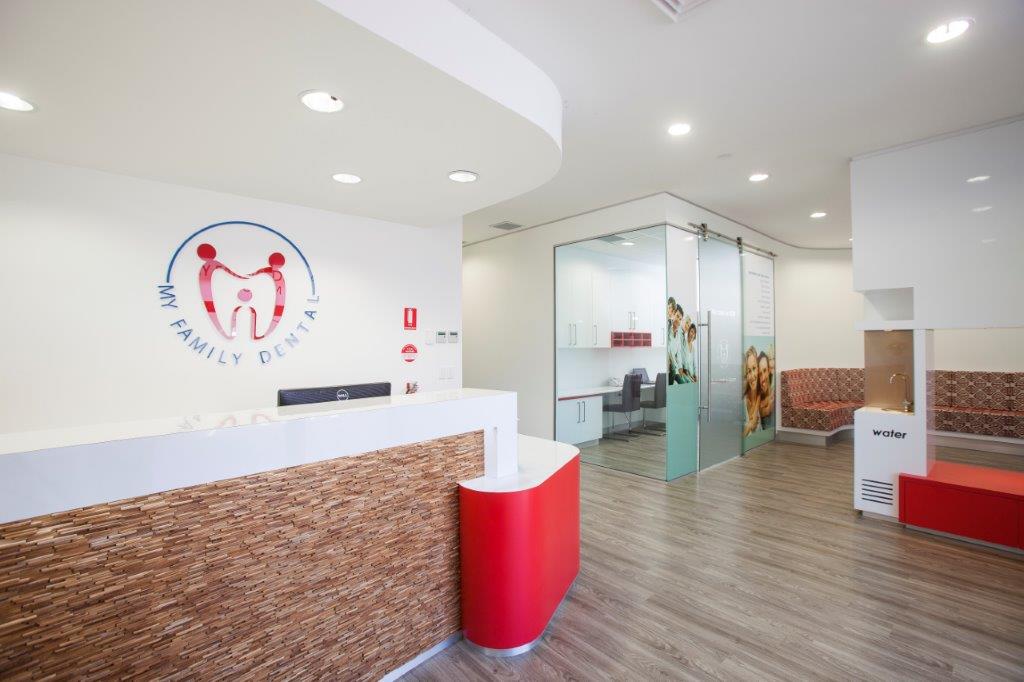
Whether it is a mango season backlog appointment in Bowen or a school-holiday extraction squeezed in before the Australian Italian Festival crowds hit Ingham, most people walking out of clinic after a tooth removal have the same question on their mind: what am I actually allowed to eat tonight? It is a fair question, because the wrong food in the first few days can slow healing, dislodge the blood clot protecting the socket, or simply cause more pain than it needs to.
Simple extraction vs surgical extraction
Not every extraction is the same, and that affects how cautious you need to be with food. A simple extraction removes a tooth that has fully erupted, usually with local anaesthetic and no cutting into the gum. A surgical extraction is more involved. It may require a small incision and, in some cases, removal of a little bone, which is common with impacted wisdom teeth or teeth that have broken below the gum line. Recovery from a surgical extraction generally takes longer, and the eating timeline below should be treated as a general guide only. Your dentist will give you instructions specific to your procedure.
The first 24 hours
For the first day, the socket is still forming a blood clot, and this clot is what protects the bone and nerve underneath while healing gets underway. Chewing anywhere near the site risks disturbing it, so the safest approach is to avoid foods that need chewing altogether. Think cool liquids and very soft, no-chew options: water, smoothies without seeds, room-temperature soup, yoghurt, and mashed foods that barely need a fork.
One rule matters more than any other in this window: no straws. The suction created by drinking through a straw can pull the clot loose from the socket, leading to a painful condition called dry socket. It is one of the most common and most avoidable complications after an extraction, so drink straight from the glass or cup, even if it feels awkward.
Days two to three: introducing semi-soft foods
By around day three, most people can start introducing semi-soft foods that need a little chewing but nothing forceful: think scrambled eggs, well-cooked pasta, soft fish, or steamed vegetables. Chew on the opposite side of the mouth from the extraction site where possible, and take it slowly. If anything feels uncomfortable, step back to softer food for another day or two before trying again. Everyone heals at a slightly different pace, and pushing too hard too soon is one of the more common reasons recovery drags on.
Foods and drinks worth avoiding
A few categories are worth steering clear of for longer than you might expect:
- Alcohol: avoid for at least the first 24 hours, and longer if you are on prescribed antibiotics or pain relief, as it can interact with medication and slow healing.
- Dairy: some dentists advise avoiding dairy immediately after taking pain medication or in the hours following anaesthesia, as it can occasionally cause nausea in combination with certain medications.
- Crunchy or hard foods: chips, nuts, popcorn and similar items can easily lodge in the socket or cause direct trauma to the healing gum.
- Chewy or tough foods: tough cuts of meat and sticky lollies put unnecessary strain on the jaw right where you need it to rest.
- Acidic and spicy foods: citrus, vinegar-based dressings and chilli can irritate the raw tissue and cause a stinging sensation that is easy to avoid altogether.
Who this matters most for locally
Extraction diets look a little different depending on who you are and where you live in the region. For an older Ingham patient on the sugar-cane side of town, an extraction often comes alongside other medication or dietary considerations, so sticking closely to soft, low-irritation food for the first few days is worth taking seriously. Ingham’s town water has not been fluoridated since council removed it in 2017, which already puts local teeth at a slightly higher decay risk: good aftercare after any extraction matters that bit more when the water isn’t doing some of the work.
Younger families in the newer estates around Bohle Plains and Kalynda Chase, many with a defence connection to Lavarack Barracks or RAAF Base Townsville, are often managing extractions for teenagers or young adults, sometimes alongside wisdom tooth removal. Soft, protein-rich food (mashed eggs, yoghurt, smoothies) helps keep energy up during a busy week without stressing the healing site. In Innisfail, the humid wet-tropics climate makes it worth keeping food covered and choosing fresh, cool options over anything that sits out: simple hygiene that matters as much as the softness of the food itself.
Thinking About What Replaces the Tooth
Once the socket has healed, the question is usually what fills the gap. Leaving it can let the neighbouring teeth drift and the jawbone shrink over time, which is worth knowing early because it changes what is possible later.
A dental implant replaces the root as well as the crown, which is why it is the option that keeps the bone loaded. Bridges and dentures are the alternatives. None of it is urgent while you are still healing, but it is worth asking about at the review appointment rather than a year later.
When to call us
Mild discomfort, some swelling and a bit of oozing in the first day or two are normal. Contact your clinic if you notice worsening pain a few days after the procedure (a possible sign of dry socket), a fever, persistent bleeding, or swelling that keeps increasing rather than settling. It is far better to check in early than to wait it out.
Get personalised advice
Every extraction and every patient is a little different, so the guidance above is general: your dentist will tailor aftercare instructions to your specific procedure. If you have questions about recovery, or need to book an extraction or a follow-up review, get in touch with your nearest My Family Dental clinic in Ingham, Innisfail, Bohle Plains, Townsville, Bowen or Emerald via our contact page, or find your local clinic on our clinics page.
This article is general information only and is not a substitute for personalised advice from your dentist.
Frequently asked questions
Once bleeding has settled and the numbness has worn off, usually one to three hours. Do not eat while still numb, since it is very easy to bite your cheek, lip or tongue without feeling it. Start with cool, soft food and drink water from a cup, never a straw.
Cool and soft: yoghurt, smooth soup that has cooled, mashed potato, scrambled egg, custard, ice cream. Nothing hot, since heat encourages bleeding in the first 24 hours. Avoid anything requiring real chewing, and keep away from the extraction site.
No straws, forceful spitting or smoking for at least 48 hours, since all can dislodge the clot. Avoid small hard particles such as nuts, seeds, chips and rice for around a week, as they lodge in the socket. Avoid alcohol while taking pain relief, and spicy food while the tissue is raw.
Most people are close to normal within five to seven days for a straightforward extraction, guided by comfort rather than the calendar. Surgical removals take longer. Reintroduce firmer foods gradually and keep chewing on the opposite side until the site is comfortable.
Have a question about your own situation?
Book a visit with your local My Family Dental team across North Queensland. We’ll assess your teeth, explain your options, and answer your questions.