
5 Different Types of Dental Emergency (And What to Do)
A guide to five common dental emergencies: knocked-out teeth, cracks, lost fillings, decay and loose crowns, and how to respond before you see a dentist.
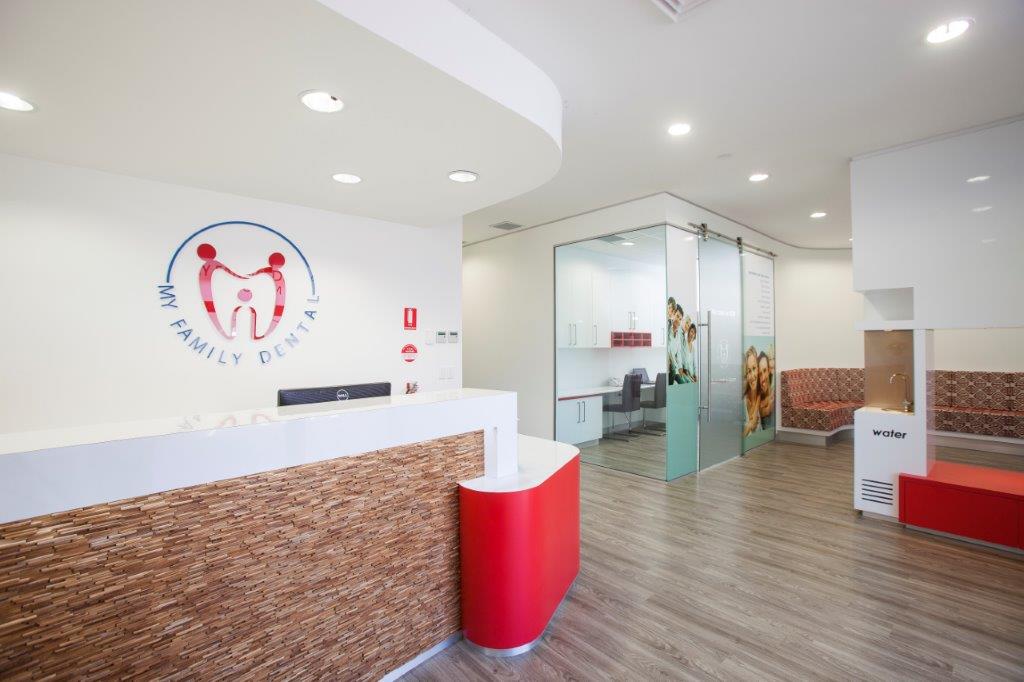
Weekend footy at Kalynda Chase, a bike spill outside the Willows Shopping Centre in Kirwan, or a cracked tooth mid-mango-harvest in Bowen: dental emergencies rarely pick a convenient moment. Knowing what you’re dealing with, and what to do in the first few minutes, can be the difference between saving a tooth and losing it. Here are the five types of dental emergency we see most often across our North Queensland clinics, and how to handle each one.
1. A Knocked-Out Tooth
A knocked-out (avulsed) tooth is the most time-critical dental emergency there is. It usually happens from a fall, a collision on the field, or a knock to the face, and it’s one of the reasons a mouthguard matters so much for kids and teens playing contact sport around Bohle Plains and Kirwan, both areas with a lot of young families and a heavy sporting calendar.
If a permanent tooth comes out, pick it up by the crown (not the root), rinse it gently without scrubbing, and try to pop it back into the socket facing the right way. If that’s not possible, keep it moist (in milk or a specialised tooth-preservation solution, not water) and get to a dentist as fast as you can. A tooth has the best chance of being saved if it’s reinserted within about 30 to 60 minutes.
2. A Cracked or Chipped Tooth
Cracks and chips come from a huge range of causes: a fall, biting down on something hard, a sporting knock, or grinding your teeth overnight (bruxism). A small chip might just need smoothing and a review, but a deeper crack that reaches into the tooth’s nerve or extends below the gumline can be far more serious, and in some cases the tooth can’t be saved.
Rinse your mouth with warm water, apply a cold compress to manage swelling, and avoid chewing on that side until you’re seen. If you can find the broken piece, bring it with you. It sometimes helps guide treatment. Don’t ignore a crack just because it isn’t painful; some cracks worsen quietly over time.
3. A Lost or Damaged Filling
Fillings don’t last forever, and they can loosen or fall out from everyday wear, a hard piece of food, or decay forming underneath the filling itself. Once a filling is gone, the exposed tooth is more sensitive to hot, cold and pressure, and, because the protective seal is broken, bacteria has a direct path into the tooth. Left too long, this can allow infection to spread toward the nerve.
In the meantime, avoid chewing on that side, keep the area clean, and see your dentist as soon as you reasonably can rather than waiting for your next scheduled check-up.
4. Tooth Decay That’s Become an Emergency
Not every dental emergency starts with an accident: plaque left on the teeth converts sugars into acid, and over time that acid can work through the enamel and into the tooth, sometimes progressing to a dental abscess. Left untreated, decay can move quickly from “manageable” to “urgent,” bringing throbbing pain, swelling, or a bad taste that won’t go away.
This is a particular focus for us in Ingham, where the town water supply hasn’t been fluoridated since council discontinued it in 2017: one less layer of everyday protection than fluoridated towns get, which is why we lean harder on regular check-ups, good home care and sensible diet choices with Ingham families to catch decay before it becomes an emergency. If you’re noticing a toothache that’s building rather than easing, don’t wait it out.
5. A Loose or Lost Crown
A crown protects a tooth that’s already been weakened, whether from a large filling, a root canal, or general wear, so when it comes loose or falls off entirely, the tooth underneath is suddenly exposed and vulnerable. This tends to show up more in our older patient base in towns like Bowen, where a lifetime of dental work means more crowns in service and, occasionally, one working itself loose.
If your crown comes off, keep it somewhere safe and moist, avoid chewing on that tooth, and get it looked at: a dentist can often re-cement the same crown if it’s still in good condition, or discuss a replacement if not.
Preventing Dental Emergencies
A few habits go a long way toward keeping these situations rare:
- Never use your teeth as tools to open packaging or bottles
- Brush twice daily and floss once a day
- Keep up regular check-ups and cleans so small problems get caught early
- Wear a properly fitted mouthguard for contact sport, especially relevant for our sport-mad Bohle Plains and Kirwan families, and for the defence community around Townsville with an active, physical lifestyle
- Favour calcium-rich foods over sugary snacks to help keep enamel strong
For our Emerald families juggling mining rosters, having a plan for who’s available to get a child to the dentist on short notice is worth sorting out before an emergency happens, not during one.
If It Happens, Call Us First
If you’re dealing with a knocked-out tooth, a crack, a lost filling or crown, or a toothache that’s getting worse rather than better, don’t try to wait it out. Reach out for emergency dental care and one of our dentists will talk you through what to do and get you seen as soon as possible. We have clinics in Ingham, Innisfail, Bohle Plains, Kirwan, Bowen and Emerald: find your nearest one on our clinics page, or get in touch via contact us any time.
This article is general information only and is not a substitute for personalised advice from your dentist.
Frequently asked questions
Severe or worsening pain, facial swelling, a knocked-out or badly broken tooth, uncontrolled bleeding, or trauma to the jaw. Swelling that affects breathing or swallowing is a medical emergency and needs a hospital emergency department, not a dental appointment.
Act in minutes, not hours. Hold it by the crown, never the root. Do not scrub it. If it is dirty, rinse briefly in milk or saline. If you can, reinsert it into the socket and bite gently on a cloth; otherwise keep it in milk or the person's own saliva and get to a dentist immediately.
It depends on the problem. A lost filling with no pain can usually wait. Increasing pain, swelling, fever or trauma should not. Call your nearest clinic for advice rather than guessing, since we keep time aside for urgent problems and can tell you over the phone how quickly you need to be seen.
An emergency appointment is charged on what treatment is needed, and often the first visit is about relieving pain and stabilising the problem rather than completing definitive treatment. You are told the cost before treatment proceeds, and health fund rebates are claimed on the spot through HICAPS.
Have a question about your own situation?
Book a visit with your local My Family Dental team across North Queensland. We’ll assess your teeth, explain your options, and answer your questions.